ARPA-H Names Six Teams to Build FDA-Authorized AI Agents for Heart Failure Care
The $62.7 million ADVOCATE program requires its patient-facing AI developers to submit an FDA authorization package within 24 months of award.

Key points
- ARPA-H announced contract awards on September 9 under ADVOCATE, a four-year, $62.7 million program with up to $33.7 million committed in year one.
- Atman Health, Tempus AI and Updoc will build patient-facing AI agents; Stanford will build a supervisory system; Duke and Kaiser Permanente will lead deployment.
- The agency says it will work with the FDA throughout the program on a regulatory framework for patient-facing clinical AI.
The Advanced Research Projects Agency for Health (ARPA-H) has named six teams to build an autonomous artificial intelligence system for heart failure patients that the agency wants to see authorized by the FDA, the agency announced on September 9. The awards fall under ADVOCATE (Agentic AI-Enabled Cardiovascular Care Transformation), a four-year, $62.7 million program; ARPA-H said its commitment is up to $33.7 million in the first year.
The goal, according to ARPA-H, is an AI system that works around the clock as "a new, digital member of the clinical care team," supporting patients with heart failure between visits and escalating to human clinicians when needed. The agency first announced the program in January, Healthcare Dive reported.
Who is building what
Three companies will develop competing patient-facing AI agents, according to ARPA-H:
- Atman Health will build a system on an evidence-based clinical decision engine, using large language models with a voice-first interface.
- Tempus AI will extend its existing Olivia patient health app, adding continuous monitoring and deeper analysis when it detects meaningful changes in a patient's health.
- Updoc will build a system in which a clinician-built rules engine checks every proposed action against approved protocols before it is carried out.
Healthcare Dive reported that Atman Health plans to use up to $7.7 million, Updoc $9 million and Tempus AI $9.5 million. Healthcare Innovation reported that the Updoc team includes OpenAI, Microsoft and NVIDIA, and that Updoc already has FDA clearance for a software device using a patient-facing large language model.
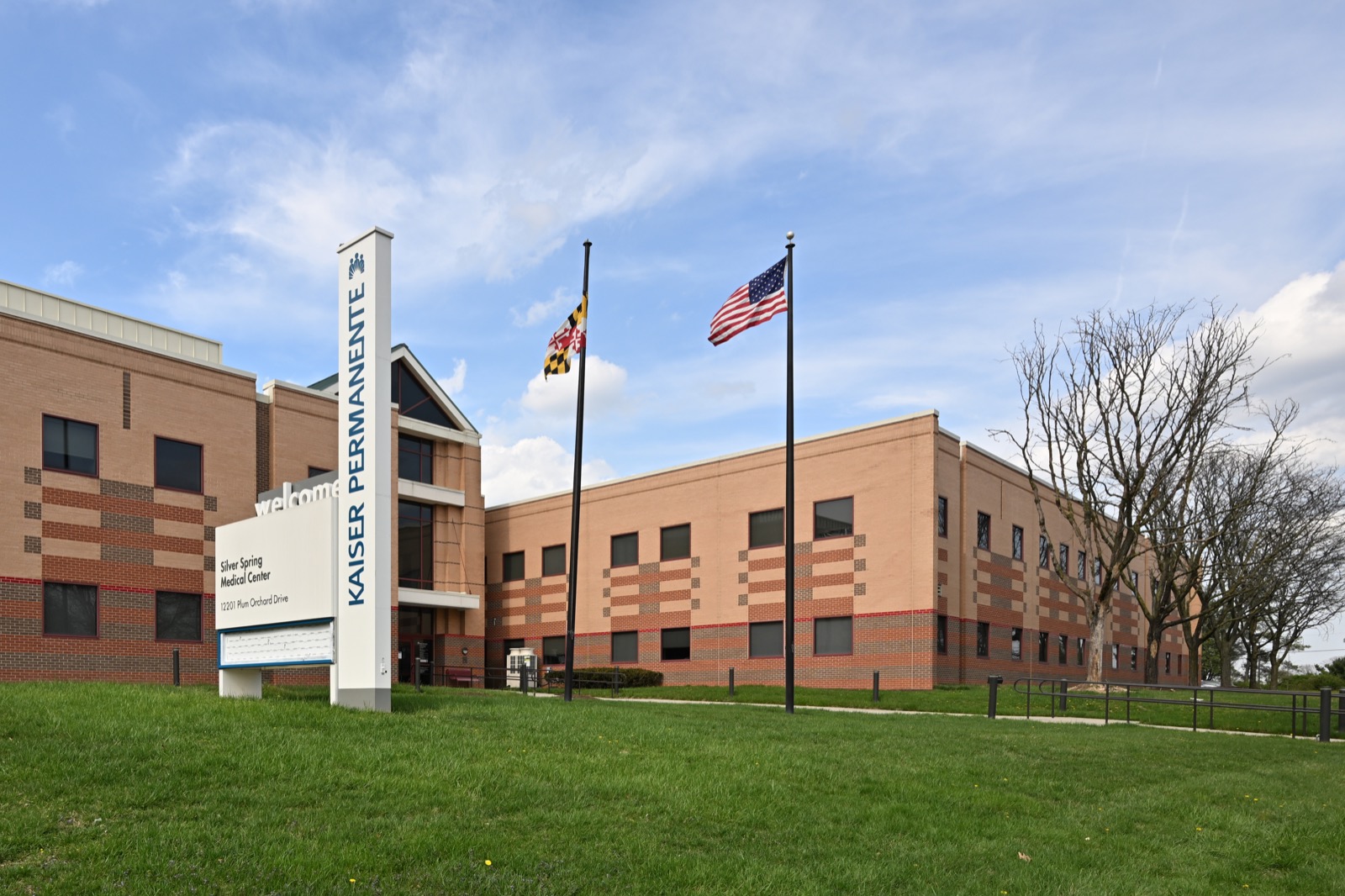
A Stanford University team will build a supervisory AI system that monitors the patient-facing agents after deployment, looking for unsafe recommendations and out-of-distribution behavior. Duke University will provide a validation platform across five health systems and rural sites on Epic and Oracle health record systems, and Kaiser Permanente will deploy the agents in Epic workflows across 21 medical centers and more than 260 clinics, according to the agency. Healthcare Dive put Duke's award at $15.5 million and Kaiser's at $16.3 million. The Johns Hopkins University Applied Physics Laboratory will act as independent evaluator.
The FDA timeline
ARPA-H said the lead patient-facing developer must submit "a first-of-its-kind FDA-authorization package" within 24 months of the contract award, and that the program will engage the FDA throughout to develop a regulatory framework for this class of AI. Healthcare Dive noted that the FDA has not yet approved an agentic AI tool for clinical care, and that award amounts depend on teams meeting research milestones.
"Patient-facing agentic AI is one of the most consequential frontiers in digital health," Rick Abramson, director of the FDA's Digital Health Center of Excellence, said in the ARPA-H announcement.
Program manager Haider Warraich, a cardiologist, described the target as "a clinician-extender" that can provide certain care on its own and bring in the clinical team when needed. In earlier remarks reported by Healthcare Innovation, Warraich said the program intends to cover higher-risk functions, including diagnosis, triage and changes to heart failure prescriptions.
ARPA-H estimated that, if successful, the program could produce about $28 billion in annual cost savings across the heart failure population. That figure is the agency's own projection.
Sources
- ARPA-H launches the world's first bid to build an FDA-authorized clinical AI for cardiovascular care, ARPA-H, September 9, 2026
- ARPA-H Selects Teams for Cardiovascular Agentic AI System Development, Healthcare Innovation, September 9, 2026
- ARPA-H to invest $62M to build agentic AI agent for heart care, Healthcare Dive, September 11, 2026