Stereotaxis Completes Acquisition of French Robotics Developer Robocath
The St. Louis surgical robotics company now owns the maker of the R-One coronary robot, a deal it valued in April at $20 million upfront plus up to $25 million in milestone payments.
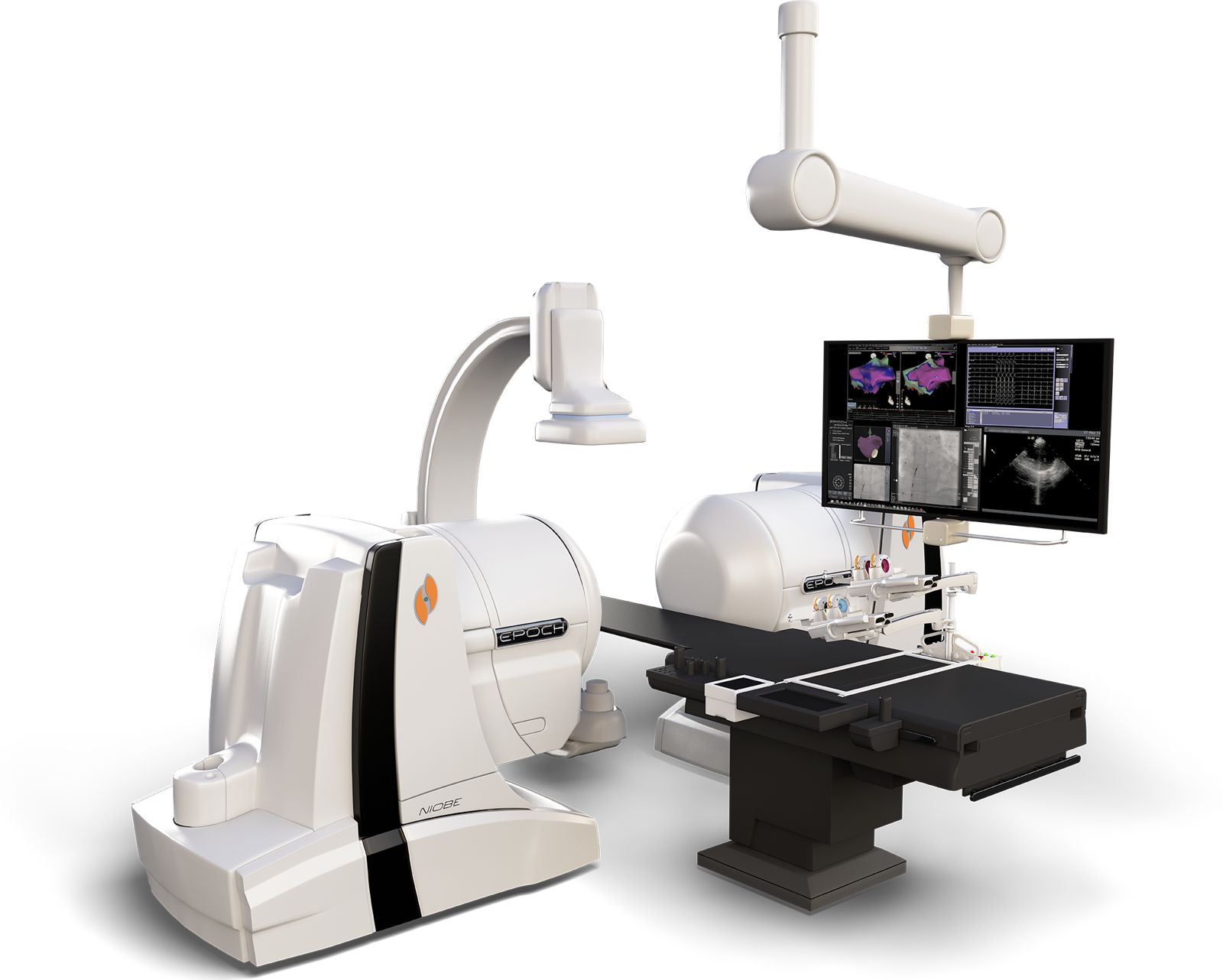

Key points
- Stereotaxis said on July 9 it has completed its previously announced acquisition of Robocath, based in Rouen, France.
- In April, Stereotaxis said the deal included a $20 million upfront payment and up to $25 million in contingent payments tied to milestones including FDA clearance of Robocath's next-generation system.
- Robocath's R-One robotic system holds CE and NMPA certifications and is used in Europe and China, according to the company.
Stereotaxis said on July 9 that it has completed its acquisition of Robocath, a Rouen, France-based developer of robotic systems for interventional cardiology and neurointerventions, according to the St. Louis company's announcement, distributed by GlobeNewswire and read via BioSpace.
The deal closes a transaction Stereotaxis first disclosed in April. Robocath will now be fully integrated into Stereotaxis, the company said, with the combined business working on robotic systems for electrophysiology, interventional cardiology and neurointerventions.
Deal terms set in April
The completion announcement did not restate the price. When the agreement was signed on April 15, Stereotaxis said the transaction included an upfront payment of $20 million, with additional contingent payments of up to $25 million tied to regulatory and commercial milestones, including FDA clearance of Robocath's next-generation system, as reported by Endovascular Today. At that time the company said the deal was expected to close in mid-2026 and that Robocath would operate as a wholly owned subsidiary.
The July release's forward-looking statements also refer to "the potential for achievement of the regulatory and commercial milestones that would trigger contingent payments in the transaction," indicating the milestone payments remain open.
What Robocath brings
Robocath was founded in 2009 by Philippe Bencteux, MD. Its first robotic system, R-One, holds CE and NMPA certifications and is currently used in Europe and China, according to the release. The company said several multicenter clinical studies have been conducted on R-One; those results are company-reported.
In April, Stereotaxis said Robocath's R-One+ system was commercially available for percutaneous coronary interventions in Europe, and that Robocath was developing a next-generation system designed to manipulate up to five interventional devices at once, with initial first-in-human procedures completed in France, according to Endovascular Today's report. Stereotaxis said then that it planned to accelerate development of that system and pursue regulatory submissions in the United States and Europe within two years.
Stereotaxis, which describes itself as a company focused on surgical robotics for minimally invasive endovascular intervention, also said in April it would add hardware and software from its own GenesisX, Synchrony and SynX products to the Robocath system to support operating room integration, automation and remote procedures.
"Combining the strengths, expertise, and technologies of two pioneers in endovascular robotics, we now have the opportunity to accelerate innovation, expand our global reach, and bring robotic solutions to many more physicians and patients around the world," said Bencteux, Robocath's founder and CEO.
David Fischel, Stereotaxis chairman and CEO, said the addition of Robocath's technology and team "accelerates our strategy, enhances our technological leadership, provides attractive commercial synergies in an expanded addressable market, and supports new strategic opportunities."
Integration risks flagged
In its cautionary statement, Stereotaxis listed risks including its ability to integrate Robocath's operations and continue commercializing its products, retain and hire key personnel, and realize the expected benefits of the deal in the anticipated amounts or timeframes.
Stereotaxis' common stock trades on the New York Stock Exchange under the symbol STXS, according to the release.
Sources
- Stereotaxis Completes Acquisition of Robocath (GlobeNewswire release, read via BioSpace), Stereotaxis via GlobeNewswire (read via BioSpace), July 9, 2026
- Stereotaxis to Acquire Robocath, Endovascular Today, April 15, 2026