Renata Medical Closes $25 Million Series D Led by ARCHIMED for Pediatric Growth Stent
The Newport Beach company says the money will fund wider U.S. sales of its Minima stent, entry into international markets and more devices for children with congenital heart disease.
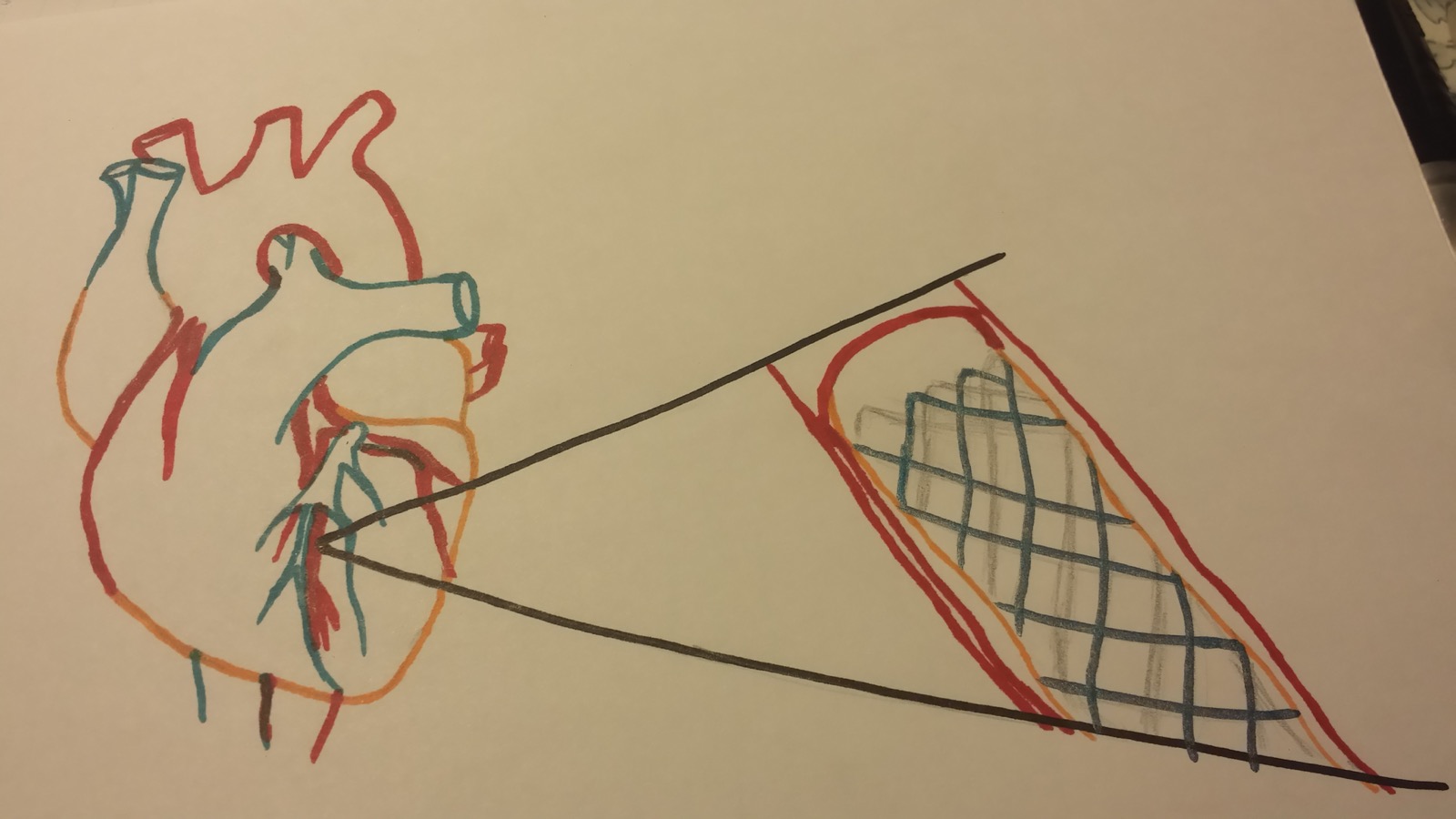

Key points
- Renata Medical closed a $25 million Series D round led by healthcare investor ARCHIMED, with existing investors participating.
- Its Minima Stent System, for young children with pulmonary artery stenosis or coarctation of the aorta, received FDA premarket approval in August 2024.
- Proceeds will fund U.S. commercialization, international entry, pipeline development and more clinical evidence.
Renata Medical, a privately held company that makes cardiovascular devices for children, said on August 19 that it has closed a $25 million Series D financing round led by ARCHIMED, a healthcare-focused investment firm, with participation from existing investors.
The company did not disclose a valuation or name the other investors in its release.
The Minima stent
Renata's commercial product is the Minima Stent System, a balloon-expandable stent for neonates, infants and young children with pulmonary artery stenosis or coarctation of the aorta, two forms of narrowing in major blood vessels. The company describes Minima as a growth stent and says it is the first balloon-expandable growth stent designed specifically for that age group.
The FDA granted premarket approval for Minima in August 2024. In August 2025, the Centers for Medicare & Medicaid Services granted the device a New Technology Add-on Payment designation, which the company said gives hospitals additional reimbursement support for the technology.
"Adoption of the Minima™ Stent System has exceeded our expectations since commercial launch in 2024," said Dustin Armer, Renata's co-founder and chief executive. The company did not publish sales or procedure figures.
Where the money goes
Renata said the proceeds will support expanded U.S. commercialization of Minima, entry into international markets, development of its pipeline of pediatric-specific congenital heart disease technology, and continued generation of clinical evidence as adoption grows across congenital heart programs. Cardiac Interventions Today reported the same uses of the funds and noted that the company had announced Minima's FDA approval in August 2024.
André-Michel Ballester, a managing partner at ARCHIMED and a former chief executive of LivaNova, said children born with congenital heart defects "have too often been treated with devices built for adults and many face repeat procedures simply because their implants cannot grow with them." He said he had "rarely seen a technology address so clearly an unmet need."
ARCHIMED, which has offices in Europe, North America and Asia, says it manages €9 billion across its funds and invests across areas including medtech, diagnostics and biopharma products. Renata was founded in 2019 to develop cardiovascular devices for pediatric needs, according to the release, which is datelined Newport Beach, California.
Renata did not say when it expects to launch Minima outside the United States or which markets it will enter first. Its release also did not say how much the company has raised in total.
Sources
- Renata Medical Closes $25M Series D Financing Led by Global Healthcare Investment Firm ARCHIMED to Accelerate Commercialization and Development of Pediatric Cardiovascular Technologies, Renata Medical (PR Newswire), August 19, 2026
- Renata Medical Raises Funds for Commercialization and Development of Pediatric Cardiovascular Technologies, Cardiac Interventions Today, August 19, 2026